
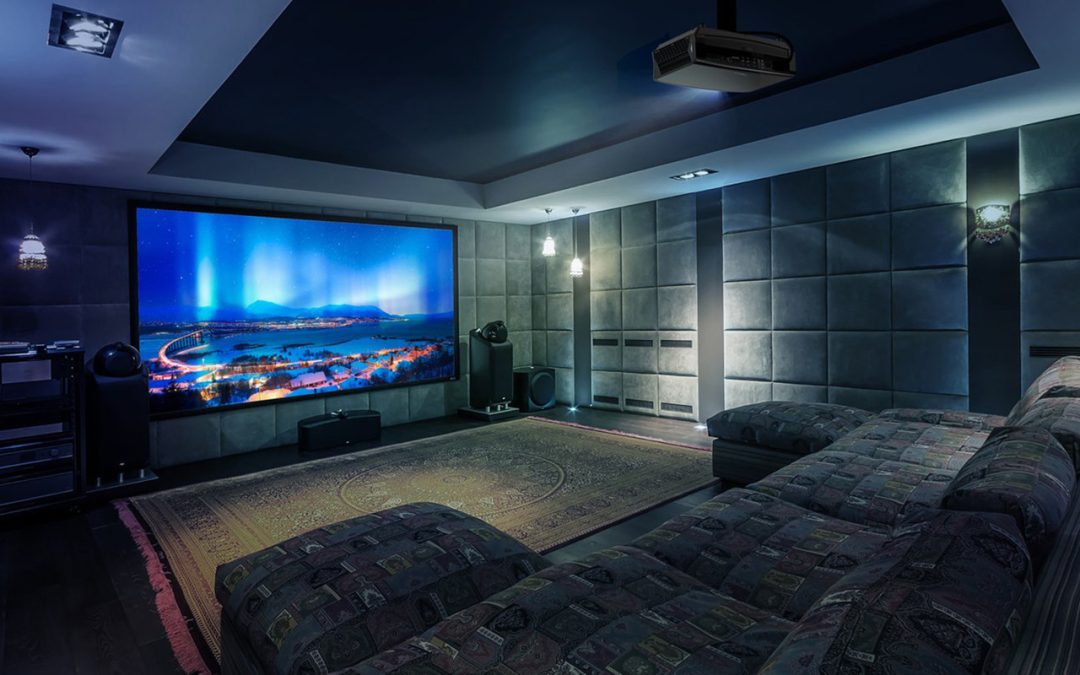
When you invest in a new television, home cinema or professionally installed AV system, it’s easy to concentrate on the equipment you can see. The television, speakers, amplifier and other electronics normally receive most of the attention.
But some of the most important components of an AV installation are the ones you never see once the job is finished.
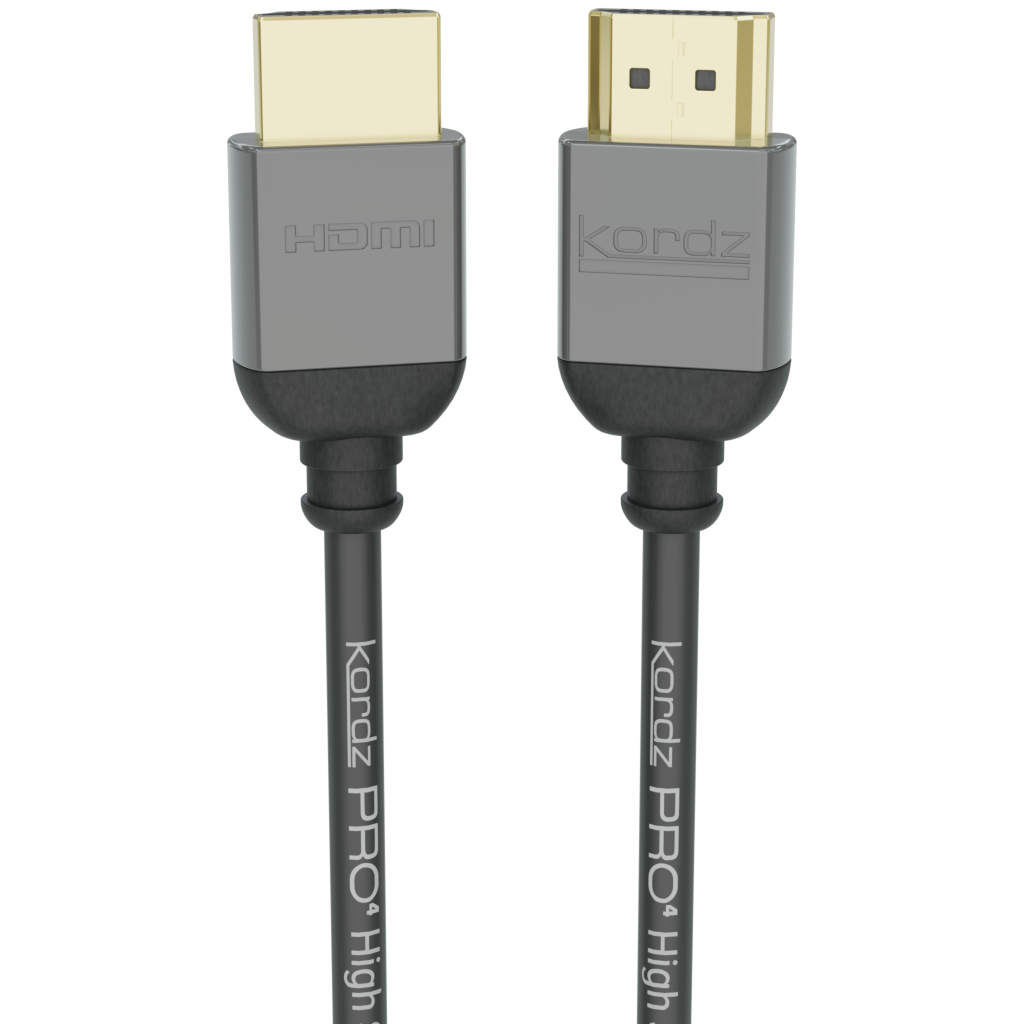
We believe the cabling and infrastructure behind an installation should receive just as much consideration as the equipment connected to it. That’s one of the reasons we’re now stocking and installing Kordz PRO⁴ Passive HDMI cables as part of our professional AV installations.

Why Does HDMI Cable Quality Matter?
Modern AV systems are transmitting significantly more data than previous generations.
Higher-resolution video, HDR, high refresh rates, advanced audio formats and technologies such as eARC all place greater demands on the connection between your equipment.
A poor-quality HDMI cable can potentially lead to frustrating problems such as:
- Intermittent picture or sound
- Signal dropouts
- Compatibility problems between equipment
- Problems at higher resolutions or refresh rates
- Unreliable eARC operation
- Having to replace cables sooner than expected
For a cable plugged between two easily accessible pieces of equipment, replacing it may be relatively straightforward.
When that HDMI cable has been carefully routed through a wall, behind fitted furniture, through a media wall or above a ceiling, replacing it can become considerably more difficult.
That’s why we believe in installing good-quality cable infrastructure from the beginning.

Kordz PRO⁴ – Designed for Professional AV Installation
The Kordz PRO⁴ Passive HDMI cable is designed specifically with professional AV installation in mind.
Supporting high-bandwidth HDMI applications up to 48Gbps, the PRO⁴ range is suitable for today’s high-performance televisions, home cinema systems and gaming equipment, including installations requiring 4K and 8K video, HDR, eARC and high refresh rates.
However, specifications are only part of the reason we like Kordz cables.
For an installer, the physical construction of a cable is extremely important.
The PRO⁴ has been designed to be relatively slim and flexible, making it easier to route through an installation and behind increasingly thin televisions. Its connectors are also designed with professional installation and long-term reliability in mind.
That makes it particularly well suited to the type of installations we regularly carry out.
The Infrastructure Behind Your TV Matters
A professional TV installation involves considerably more than simply attaching a bracket to the wall.
We regularly install televisions where the customer wants virtually everything hidden from sight. This might involve HDMI cables, network cables, power, speaker cabling and other AV connections being routed through walls or into a separate equipment location.
Once the television is installed, the customer sees a clean, uncluttered finished result.
Behind that finished installation, however, there may be an entire cable infrastructure making everything work.
This is where planning becomes extremely important.
If we’re installing a premium television that could remain on the wall for many years, it makes sense to think carefully about the quality and capability of the cables being installed behind it.
Don’t Make the Cable the Weakest Link
It doesn’t make much sense to spend thousands of pounds on a television, AV receiver, speakers and other equipment and then connect everything using questionable cabling.
The HDMI cable is responsible for carrying the digital audio and video signal between some of the most important components in your system.
We therefore treat HDMI cabling as part of the overall AV system rather than simply an accessory.
Our aim is always to create an installation that is reliable, neat and designed to perform properly for the customer.

Think About Tomorrow’s Equipment Too
Good infrastructure isn’t only about making today’s equipment work. It’s also about considering what might be connected in the future.
You might currently have a 4K television, for example, but eventually replace it with a newer model. The same applies to games consoles, AV receivers, streaming equipment and other devices.
Where practical, specifying high-performance cabling during the original installation can make future upgrades considerably easier. This becomes particularly important when cables are being permanently concealed.
If we’re opening a wall, creating cable routes or installing infrastructure during a renovation, extension or new-build project, it’s an ideal opportunity to think about what might be required several years from now – not just what is required today.
HDMI Is Only Part of the Infrastructure
The same philosophy applies throughout a smart home or AV installation.
We regularly install:
- HDMI and AV cabling
- Cat6 and Cat6A network cabling
- WiFi access points
- Speaker cabling
- CCTV infrastructure
- TV and satellite cabling
- Equipment racks and network cabinets
- Home cinema cabling
- Smart home infrastructure
Where possible, we design the underlying infrastructure so that equipment can be upgraded or changed without starting the installation again from scratch.
The products connected to a system will inevitably change over time. Good infrastructure should last considerably longer.
Professional TV & AV Installation in Scotland
Whether we’re installing a single television or designing a larger home cinema, multiroom audio or smart home system, the same principle applies: the parts you can’t see are often just as important as the parts you can.
By using professional-grade products such as Kordz PRO⁴ Passive HDMI cables, we can create installations that don’t just look good when we leave – they’re designed to provide reliable performance for years to come.
If you’re planning a new television, home cinema, media room or AV installation, get in touch today.
We can help design and install the complete system, from the cabling hidden inside the walls to the television, speakers and equipment you see and use every day.